Voice AI
GPT-Live-1 vs Gemini 3.8 Live: The New Voice AI Stack
Real-time AI is moving beyond speech-to-text pipelines. We compare OpenAI and Google on conversation, tools, visual context, and deployment tradeoffs.
Real-time models are becoming conversation systems
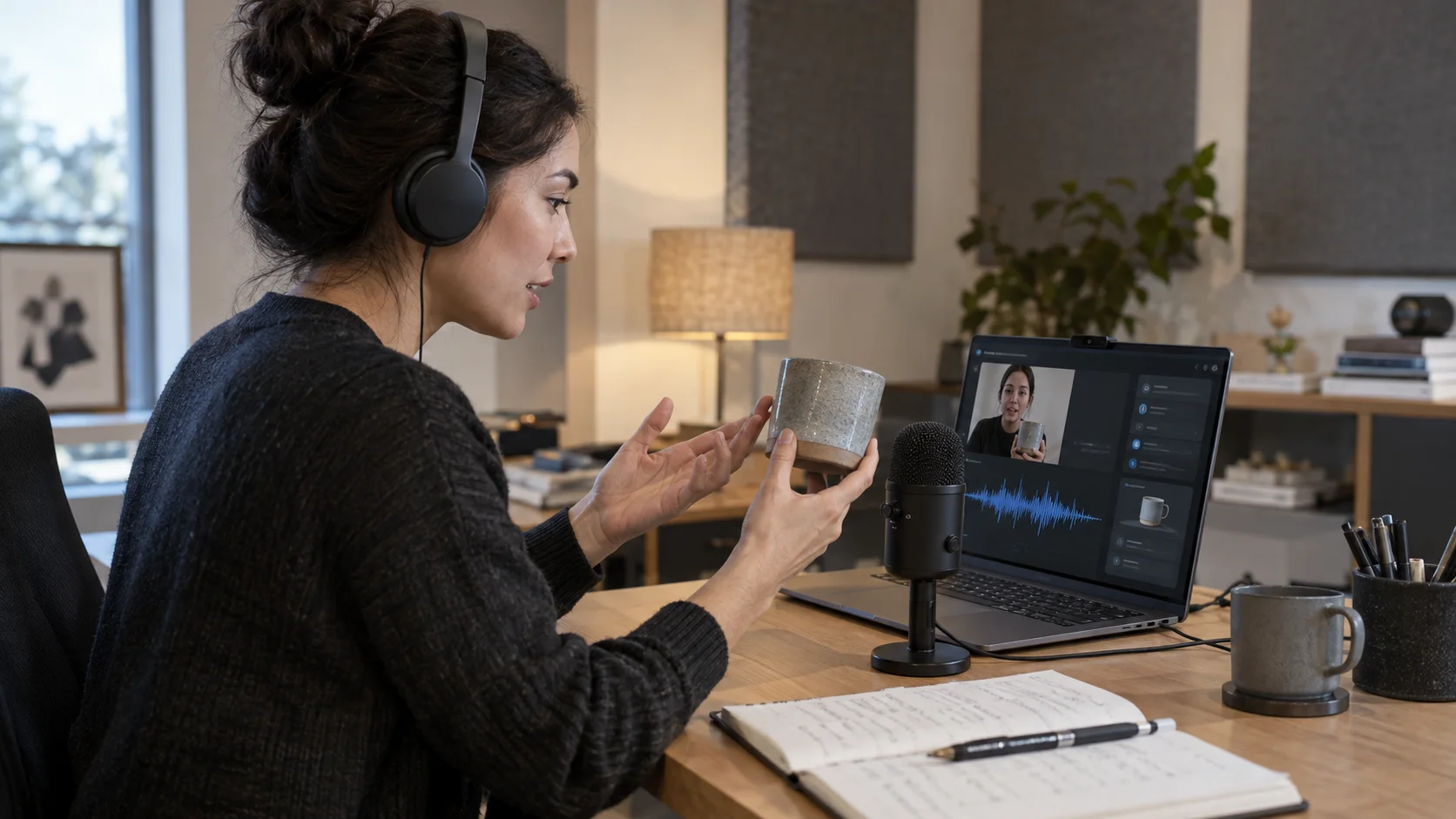
The old voice assistant pipeline was a relay race. Speech recognition converted audio to text, a language model produced a response, and text-to-speech generated audio. That architecture remains useful, but each handoff adds delay and loses information about timing, emotion, interruption, and emphasis. GPT-Live-1 and Gemini 3.8 Live are part of a new generation built to process and respond in a continuous multimodal session.
OpenAI emphasizes full-duplex conversation, meaning the system can listen and speak at the same time, handle interruptions, and delegate reasoning or tool work while maintaining the voice interaction. Google emphasizes audio combined with visual context, background tool calls, and broad language support. Both products point toward assistants that participate in a changing environment rather than waiting for a clean question and returning a recorded answer.
What GPT-Live-1 is optimized for
OpenAI launched GPT-Live-1 for API use with a quoted front-layer voice cost of $0.05 per minute. Backend reasoning and tool activity can create additional charges, so that figure is not the total cost of a capable agent. Its key design is delegation. The live model can preserve a responsive conversation while handing a harder problem or tool call to another system, then bring the result back into the dialogue.
That makes GPT-Live-1 attractive for support, guided transactions, tutoring, and operator assistance where silence breaks trust. Full duplex also changes interaction design. The assistant must know when to yield, when a short acknowledgment is better than a full response, and how to recover when both parties speak. A model can be technically fast and still feel rude if turn-taking is poor.
What Gemini 3.8 Live adds
Google's Gemini 3.8 Live family adds visual context and background tool behavior alongside voice. A user can show the system a physical object, screen, or camera view while talking about it. Google also highlights support for 97 languages. These capabilities suit field assistance, accessibility, language learning, visual troubleshooting, and workflows where the relevant information is not contained in speech alone.
Gemini 3.8 Live Extended Thinking is aimed at interactions that need more reasoning before the model answers. The tradeoff is familiar: deeper processing can improve difficult responses while increasing latency and cost. Product teams should not enable maximum reasoning for every turn. A greeting, confirmation, or simple lookup should remain fast, while complex planning can move to a deeper path and communicate that the system is working.
The comparison depends on the whole system
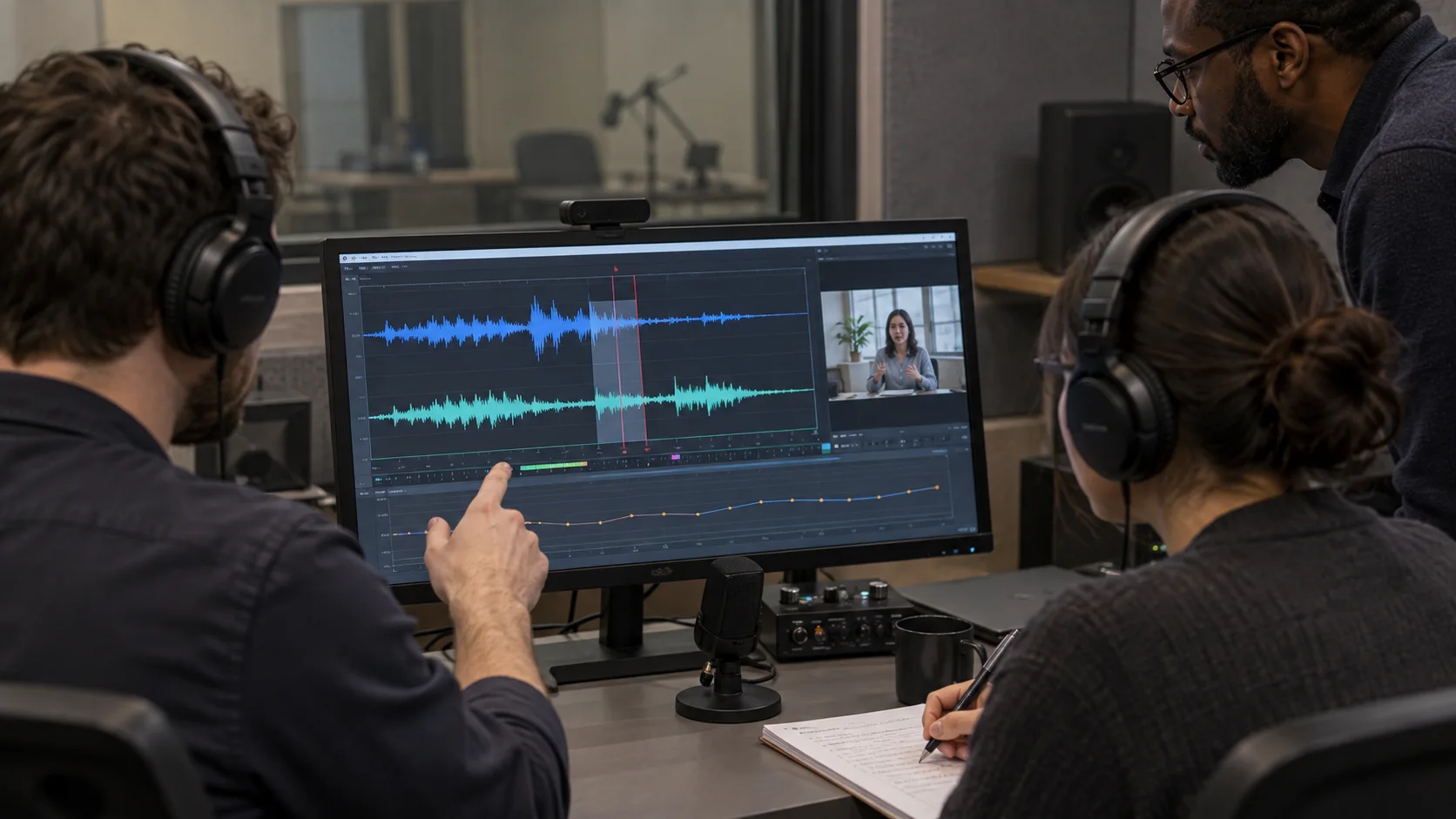
Model benchmark tables do not capture a voice product's most important failures. Evaluate time to first audio, interruption handling, end-of-turn detection, tool latency, transcription accuracy by language, acoustic robustness, and whether the assistant remembers corrections. Test on poor mobile connections, inexpensive microphones, background noise, different accents, and users who pause mid-sentence. The average studio demo hides the cases that determine whether people trust the product.
Also inspect provider fit. OpenAI may be preferable when the product already uses its agent and tool stack. Gemini may have an advantage where live visual context, Google Cloud integration, or language breadth is central. Some teams will keep a modular speech pipeline because it offers provider choice, separate optimization, or more predictable compliance. Native live models are not automatically superior for every regulated or asynchronous use case.
Privacy and fallback design are product features
Live sessions can capture voices, screens, rooms, and accidental background information. Obtain clear consent, show when the system is listening, minimize retention, and separate diagnostic logs from raw media. Users need a simple way to mute, delete a session, or switch to text. If the assistant can take actions, repeat the proposed action and require confirmation when the consequence matters.
A production voice agent also needs graceful degradation. When audio quality falls, ask for repetition or offer text. When a tool is slow, acknowledge the delay. When the model is uncertain, transfer to a person with the transcript and context rather than making the user start again. GPT-Live-1 and Gemini 3.8 Live make natural interaction more feasible, but the winning experience will be defined by restraint, recovery, and trust as much as model intelligence.
Run a real conversation benchmark
Scripted single-turn prompts are insufficient. Recruit participants who speak naturally, interrupt, change their mind, refer to something on screen, and make corrections. Score whether the assistant reaches the task outcome, not whether each sentence sounds impressive. Include accessibility needs and multilingual switching if the product claims to support them. A small, repeated test with representative users will reveal more about product quality than a provider demo or a generic speech benchmark. Measure fatigue and frustration too, because a technically successful call can still be a poor experience.